Almost Lipstick or Hydrating Core Lip Shine? Think in layers.
Both products invite sheer color, but a transparent finish makes your starting lip color part of the decision.
 Guide / The Fragrant lips journal
Start with the documented differences.
| Formula | Described finish | A decision to consider |
|---|---|---|
| Clinique Almost Lipstick ↗ | Sheer shine | A full-coverage product is more relevant if the goal is to conceal variation in natural lip color or create a consistent painted surface. Sheer color cannot guarantee the same result across different natural lip pigments. |
| e.l.f. Cosmetics Hydrating Core Lip Shine ↗ | Sheer shine | A full-color satin or matte is a better research direction when you want to even out visible differences in natural lip pigment. A sheer balm cannot be assumed to provide the same coverage simply because its outer shell appears strongly colored. |
Documentation-based comparison. No independent performance ranking.
Start with the result you want to preserve
Clinique Almost Lipstick and e.l.f. Hydrating Core Lip Shine are relevant research choices when you want a translucent contribution of color rather than a fully painted-looking lip. If you enjoy the natural variation in your lips and want to add to it, this is a useful comparison. If the goal is to cover that variation evenly with a specific opaque color, begin with a different coverage brief.
Our conditional recommendation is to shortlist Almost Lipstick when its particular sheer shade direction is the attraction, and Hydrating Core when its available color direction and balm format better fit your routine. The heart-shaped core is an identifiable design feature, not evidence that it will feel better on every wearer. Neither a famous shade name nor a low-effort application image can replace checking how a transparent layer interacts with your natural lip color.
The factual starting points
Clinique describes Almost Lipstick as sheer and buildable, with a soft-shine effect that allows natural lip color to contribute. Its current brand collection names Black Honey, Pink Honey, and Nude Honey. e.l.f. describes Hydrating Core Lip Shine as a melting lip balm with an outer hint of color and a heart-shaped core, also giving a sheer tint and shine.
Those descriptions establish a shared coverage direction and a visible difference in product design. They do not establish equal pigment deposit, equal gloss, identical conditioning, or a precise shade equivalent. We have not completed a controlled wear test of either. The useful comparison is therefore about the role of transparent color, the exact shades under consideration, and the routine each reader wants to build around them.
A dark bullet does not automatically mean a dark result
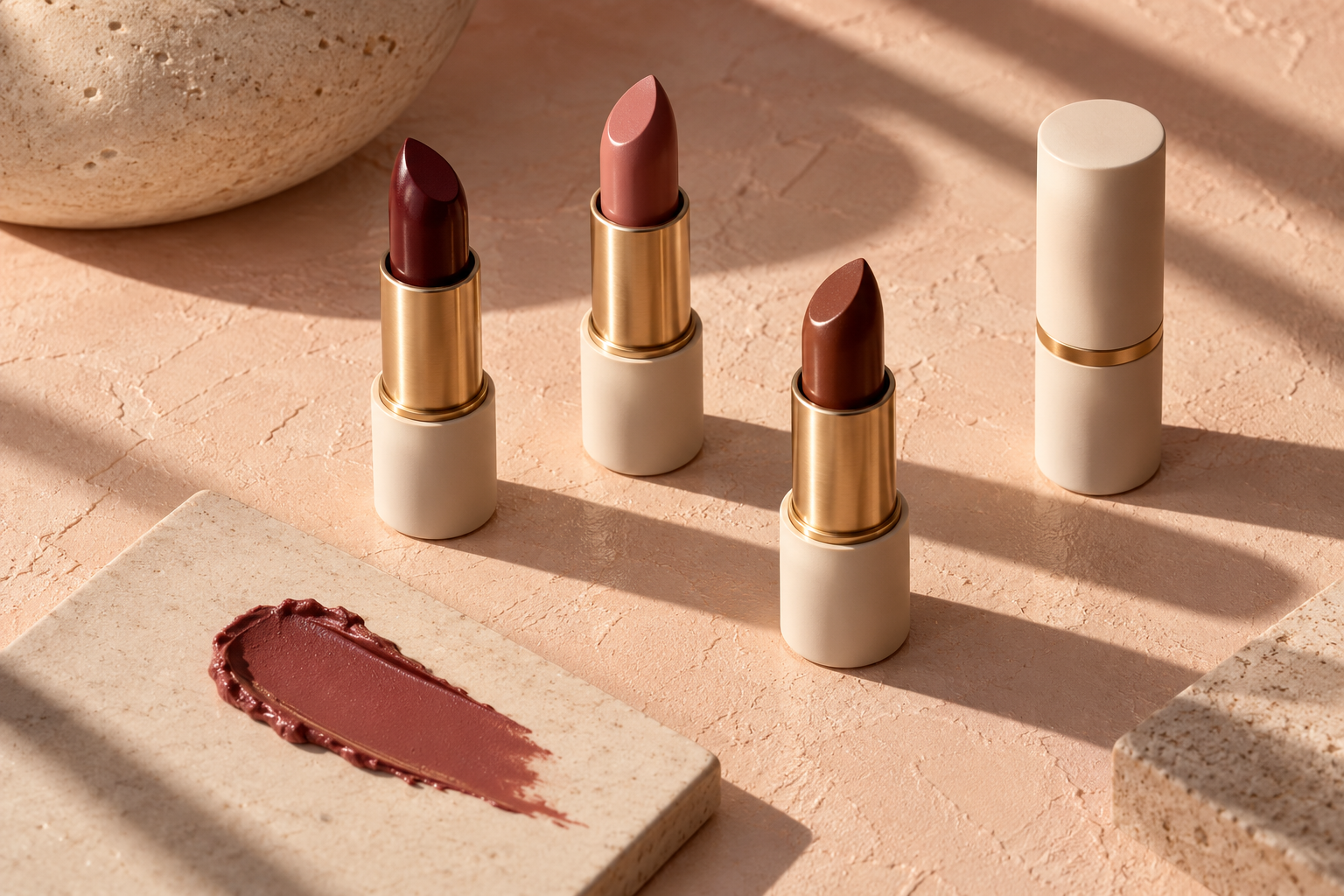
A translucent layer allows more of the underlying surface to remain visible than an opaque one. For a shopper, the important implication is practical: the color of a tube or bullet is insufficient evidence for the final look. Two people can reasonably prefer the same product for different effects because their starting lip colors, application amounts, and surrounding makeup differ.
This also explains why the statement that a sheer shade looks different on different people should not be treated as a failure of the product. Variation is part of the intended approach. A better question is whether the change is one you want. Do you want to deepen the natural lip, shift it toward pink, add a brown direction, or increase reflection while keeping the underlying color visible? Each question creates a more useful comparison than asking whether a shade is universally flattering.
Use two layers as two separate decisions
For an initial assessment, observe one light layer before adding more. Then add a second layer and note which changes become stronger: depth, color direction, visible shine, or edge definition. A product being called buildable does not mean that every additional layer will remain equally desirable to you. The preferred amount is a personal stopping point, not a contest to achieve the darkest possible result.
Photograph the bare-lip reference and each stage with the same lighting and camera settings where practical. Include an ordinary facial view as well as a close detail, because a shade can feel different in the context of the whole face. Do not edit the color to match a promotional photograph. The task is to learn what the layer does on this wearer, rather than make the wearer resemble an advertisement.
What packaging and routine can decide
Both products use a solid balm-or-lipstick approach rather than a separate color applicator and topcoat. That makes them relevant to a routine centered on direct application and later refreshing. The exact amount deposited, the handling of the tip, and how worn layers behave still require observation. A shared format does not guarantee an identical experience.
For someone who wants a quick, soft-edged lip, the decisive question may be whether the chosen shade can be refreshed in the circumstances where it will actually be used. For someone planning a deliberate liner-and-lip combination, the decisive question may instead be how the transparent center interacts with the liner. Those are different routines. Neither can be evaluated by comparing only the darkest product image or the attractiveness of the packaging feature.
When to choose something more opaque
If you want the upper and lower lip to appear closer in color, want a very specific pastel effect, or want a graphic outline with a visibly filled center, a translucent balm may not do the job you are assigning it. This is not a judgment about your natural lips. It is a distinction between allowing the starting surface to contribute and asking the product to provide more of the visible color.
Make the final shortlist with the exact shade names, the intended number of layers, and the preferred refresh routine written down. Choose the shade direction that answers that brief. If the real concern is lasting through a meal without attention, add a separate performance comparison rather than assuming either sheer product solves it. A good choice here can be a well-understood wash of color, without being a universal solution for every lip-color task.
Sources & further reading
This article combines documented features with editorial analysis. It does not report completed hands-on wear tests.
- Clinique: Almost Lipstick shade family, sheer and buildable description — source reference retained in the editorial archive
- Clinique: Almost Lipstick coverage and soft-shine details — source reference retained in the editorial archive
- e.l.f.: Hydrating Core Lip Shine design and sheer balm description — source reference retained in the editorial archive