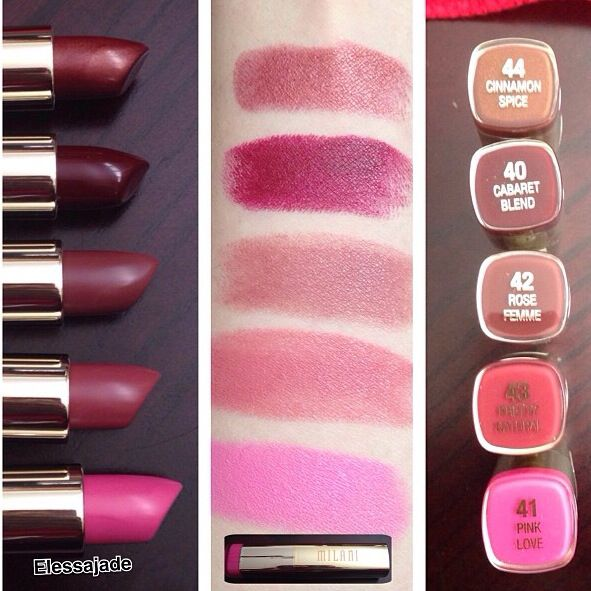
Color Statement Lipstick
Color Statement is a practical research starting point for a traditional bullet, provided you check the selected shade rather than assume the whole line has one finish. Its useful role is color exploration within a familiar application method. A broad range can be helpful, but narrowing by depth and reflection first is more efficient than buying several unrelated colors.
- Formula family
- satin
- Described finish
- Varies by shade
- Evidence
- Documented product research
Fragrant lips editorial · Research-based interpretation · No hands-on score
A routine it could suit.
Consider it when you already know whether you like a warm red, muted rose or deeper berry and want to investigate that color in a solid lipstick. Compare a single shade with something you already wear.
- Traditional lipstick
- Color exploration
When to reconsider.
Choose a finish-specific range when you want a clearer matte-versus-satin decision. The name Color Statement describes the family, not enough information to predict the exact surface or coverage of every shade.
Finish can vary by shade; do not assume every Color Statement selection has the same surface effect.
What sets it apart.
Milani lists Color Statement alongside the finish-specific Color Fetish lines. The current collection confirms the product family, while precise finish and shade properties require a shade-level reference. The library therefore treats it as a family needing individual verification rather than one uniform effect.
- Milani’s official collection lists Color Statement Lipstick.
- Shade-specific finish details are not resolved by the collection listing alone.
Find a shade direction.
Establish the individual shade’s finish before judging its color. A similar-looking cream and shimmer can produce different visual effects on the same person. Use natural lip depth and your intended contrast to narrow the range rather than choosing from a family name.
| Reference | Color families to compare |
|---|---|
| Light | Compare a muted rose, peach-rose or light-brown reference for a quieter look. A deeper red or berry creates a more deliberate contrast. |
| Medium | Compare rose-brown, warm pink-brown or terracotta references at a similar depth before changing undertone. Increase depth or brightness when contrast is the goal. |
| Tan | Compare caramel-brown, rich rose or terracotta references with your own lips. Check whether lighter shades become a deliberate contrast or look different from your intended effect. |
| Deep | Compare cocoa, plum-brown or rich rose-brown references for a closer-depth look. Bright or light shades can also be deliberate choices; their coverage needs to be visible in a real example. |
These are optional color-family starting points, not verified matches to this product’s shades. Skin depth does not determine undertone, and neither fixes a person’s color preferences. Check the exact shade and its appearance on your natural lip color.
Lip shapes & goals to try.
Milani Color Statement Lipstick can be explored on any lip shape. The examples below connect its satin format with optional application goals. They do not rank shapes or predict a wear result.
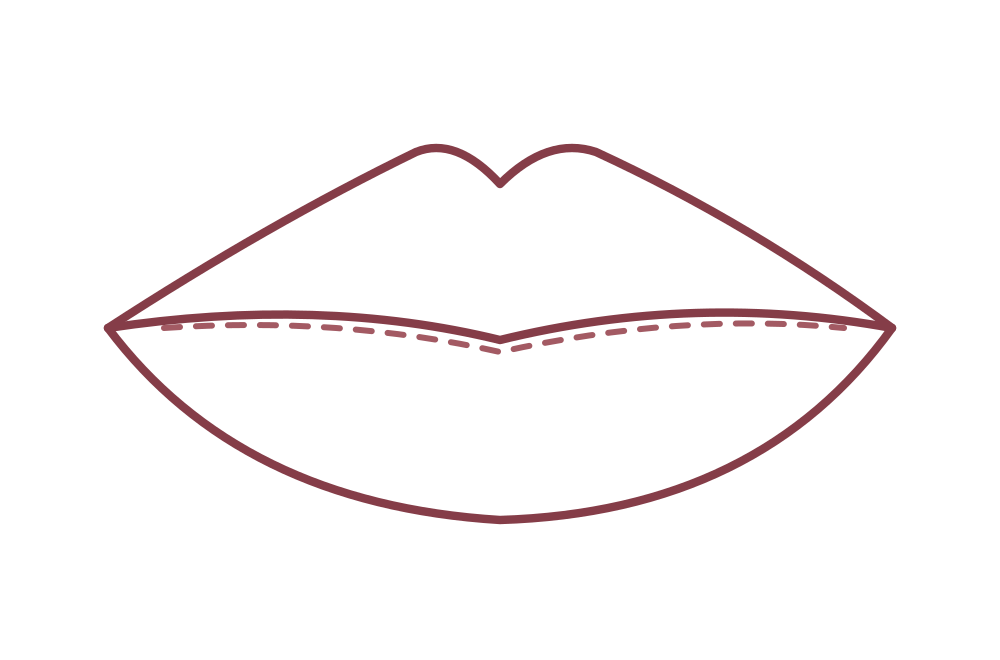 Full lips
Follow a naturally full outline
Apply inside the existing border, then decide whether a precise or softly blended edge suits your goal.
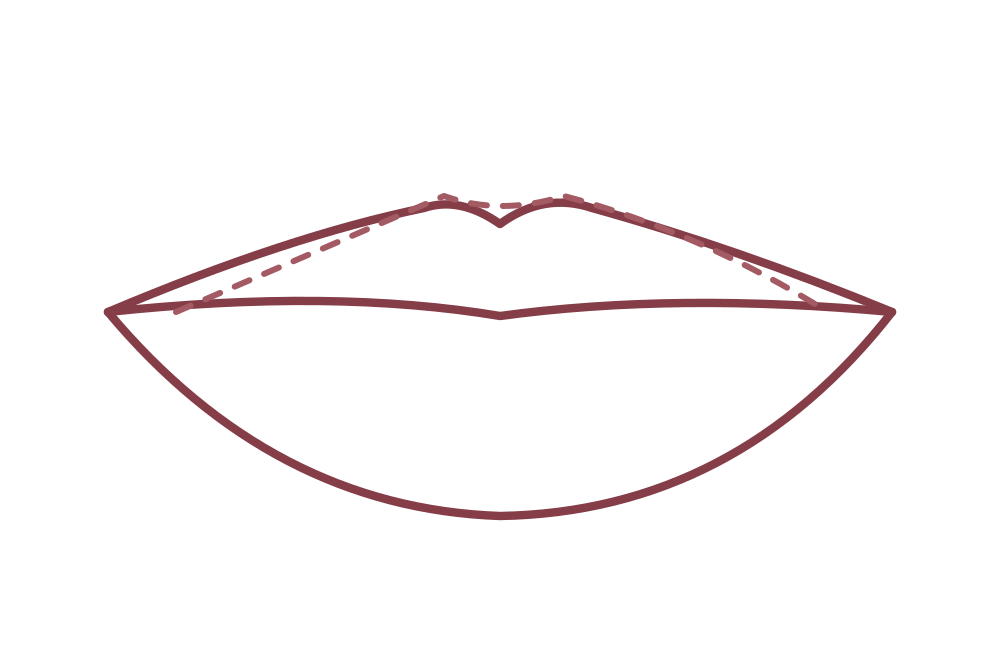 Fuller lower lip
Try optional upper-lip definition
A close-tone liner can emphasize the upper edge while leaving the lower edge softer.
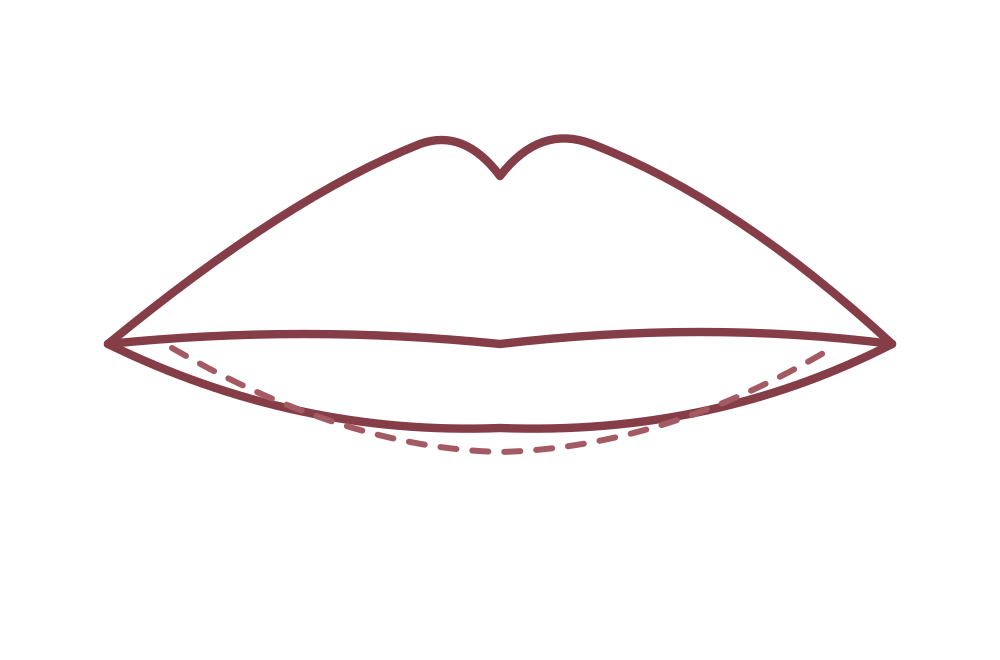 Fuller upper lip
Let proportions lead
Follow the upper contour and compare a slightly lighter central lower-lip application if you want a different emphasis.
A useful comparison.
Questions before choosing.
- What finish is documented for the selected Color Statement shade?
- Have you narrowed the color by depth before choosing undertone?
- Would a finish-specific range make the decision simpler?
Read the context.
Matte, satin or sheer? Start with the finish. ↗
Color gets the attention. The finish often decides whether a lipstick belongs in your everyday bag.
GuideBuild a three-lipstick wardrobe you will actually use. ↗
One familiar shade, one deliberate statement and one experiment can teach you more than a crowded drawer.
GuideUse undertones as a clue, not a rule. ↗
A practical color comparison for people who have never felt at home in a rigid warm-or-cool category.
Evidence & limits.
The product image was supplied by the site owner. Any pictured swatches are part of that supplied image, not an independently documented Fragrant lips wear test. Pictured shade labels and regional packaging do not establish an independent shade match or the appearance of every current US version.
Manufacturer references: Milani — official product information. Original addresses and research notes are retained in the editorial archive. This page combines documented product features with editorial interpretation.
Shade-specific application feel, transfer, wear and removal have not been independently observed. The pictured color does not establish a shade match.
See the research notebook, our editorial standards and the blank wear-test worksheet. For corrections, contact Fretcy.